




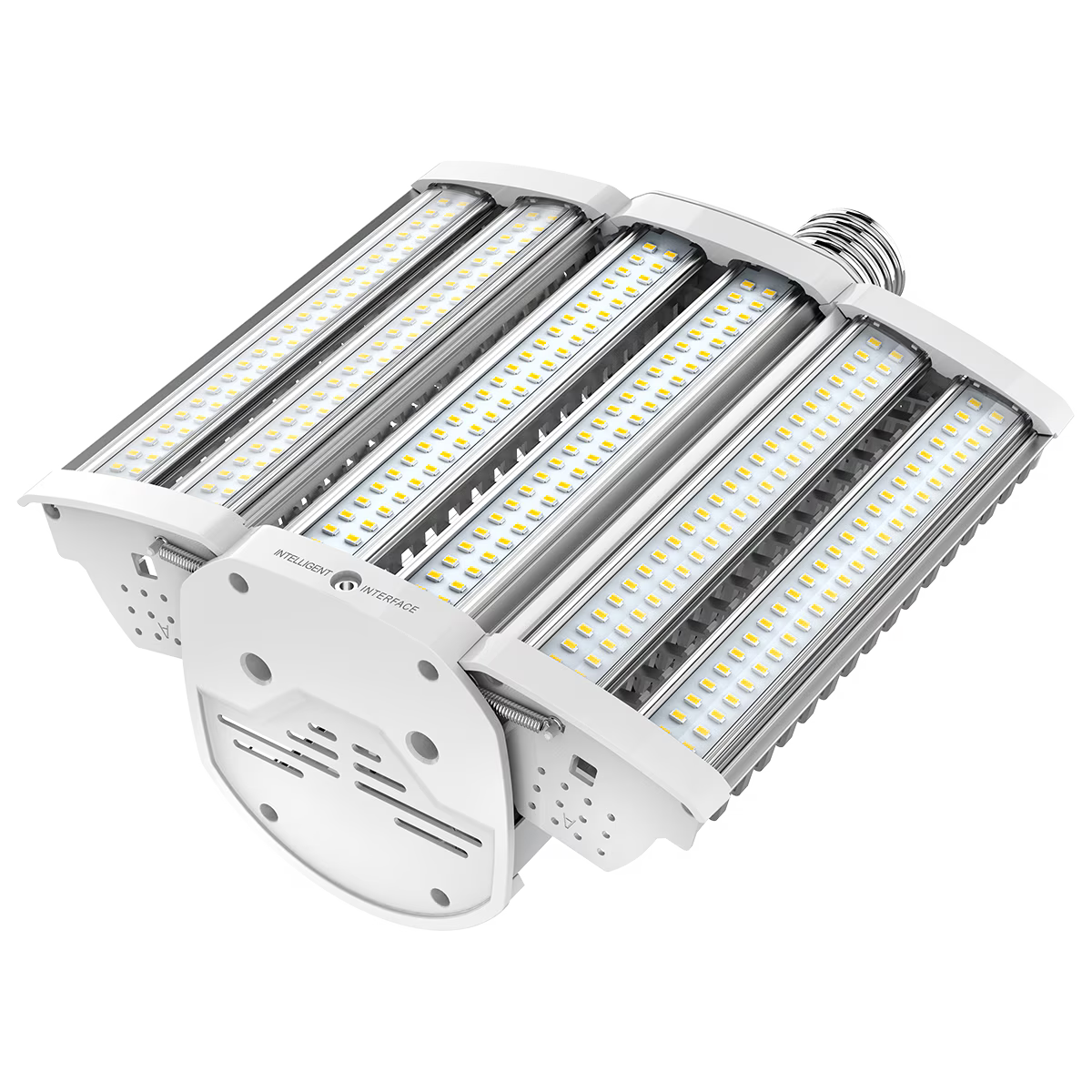

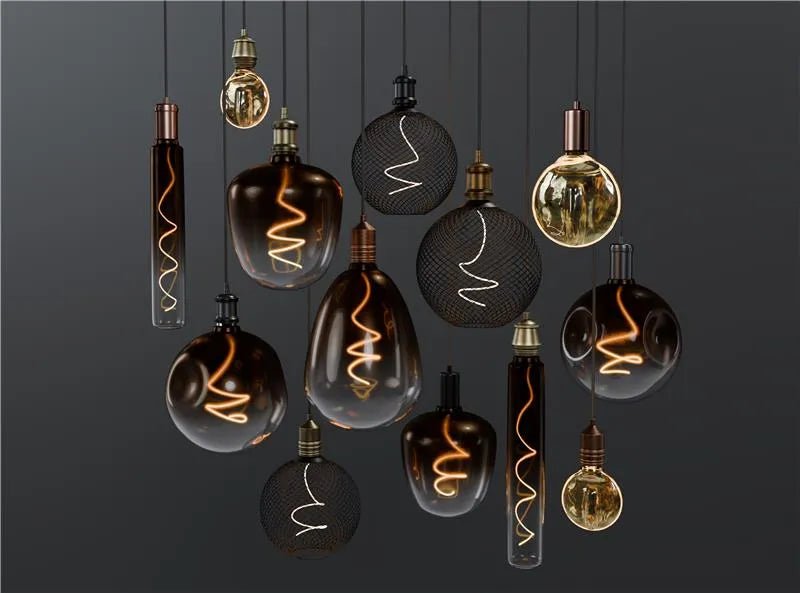






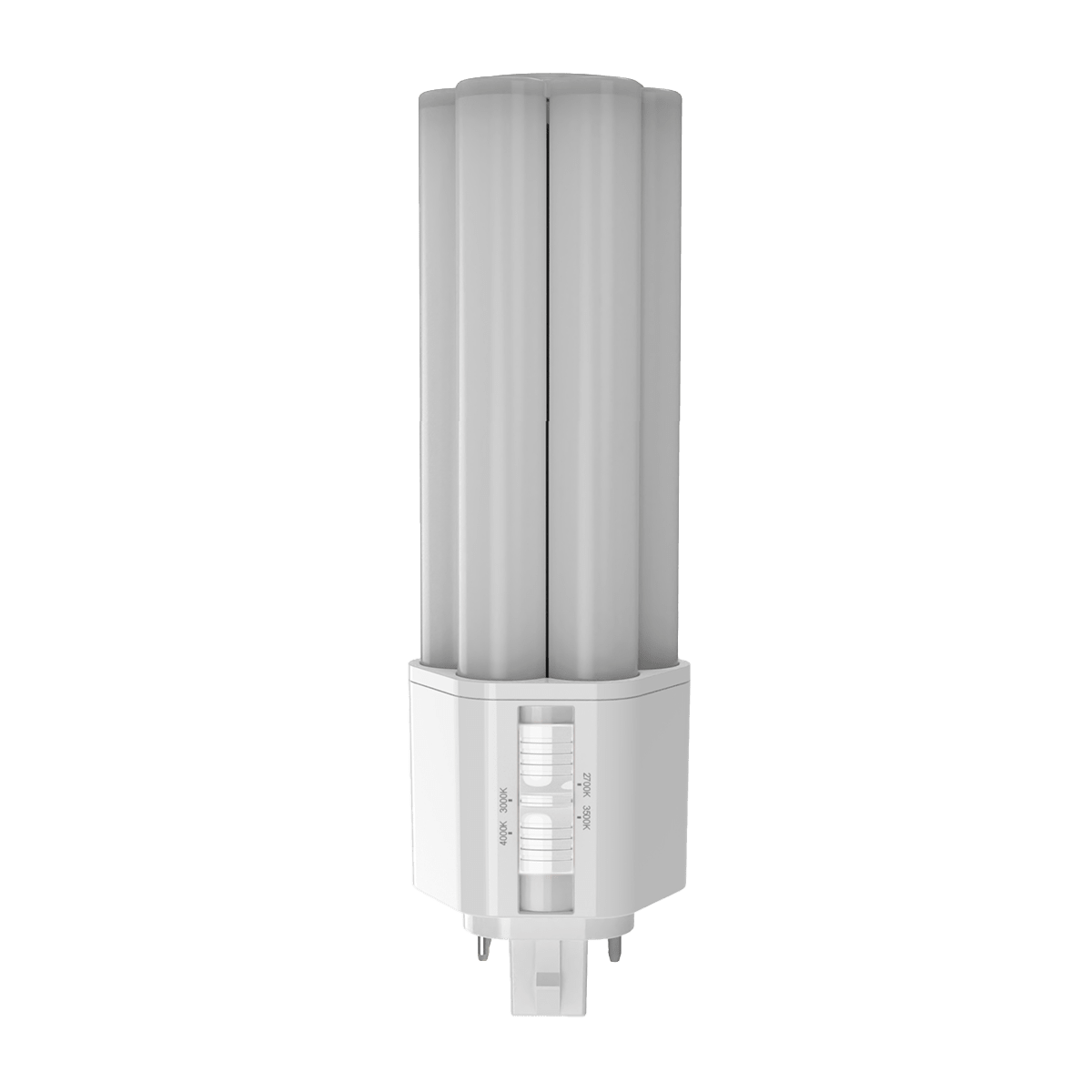


Shop lamps and light bulbs for residential, commercial, industrial, hospitality, retail, and property-management applications. Green Lighting Wholesale offers a broad selection of lighting products designed for everyday replacements, energy-efficiency upgrades, maintenance projects, renovations, and large-scale installations.
Browse LED bulbs, fluorescent lamps, halogen bulbs, HID lamps, specialty bulbs, decorative lamps, and other lighting options in a variety of wattages, base types, shapes, lumen outputs, color temperatures, and voltage configurations.
Shop Light Bulbs by Type
Choosing the right lamp or bulb depends on the fixture, application, desired brightness, color appearance, energy usage, and installation requirements.
Common lamp and bulb categories include:
- LED light bulbs
- Fluorescent lamps
- Compact fluorescent lamps
- Halogen bulbs
- HID lamps
- Metal halide lamps
- High-pressure sodium lamps
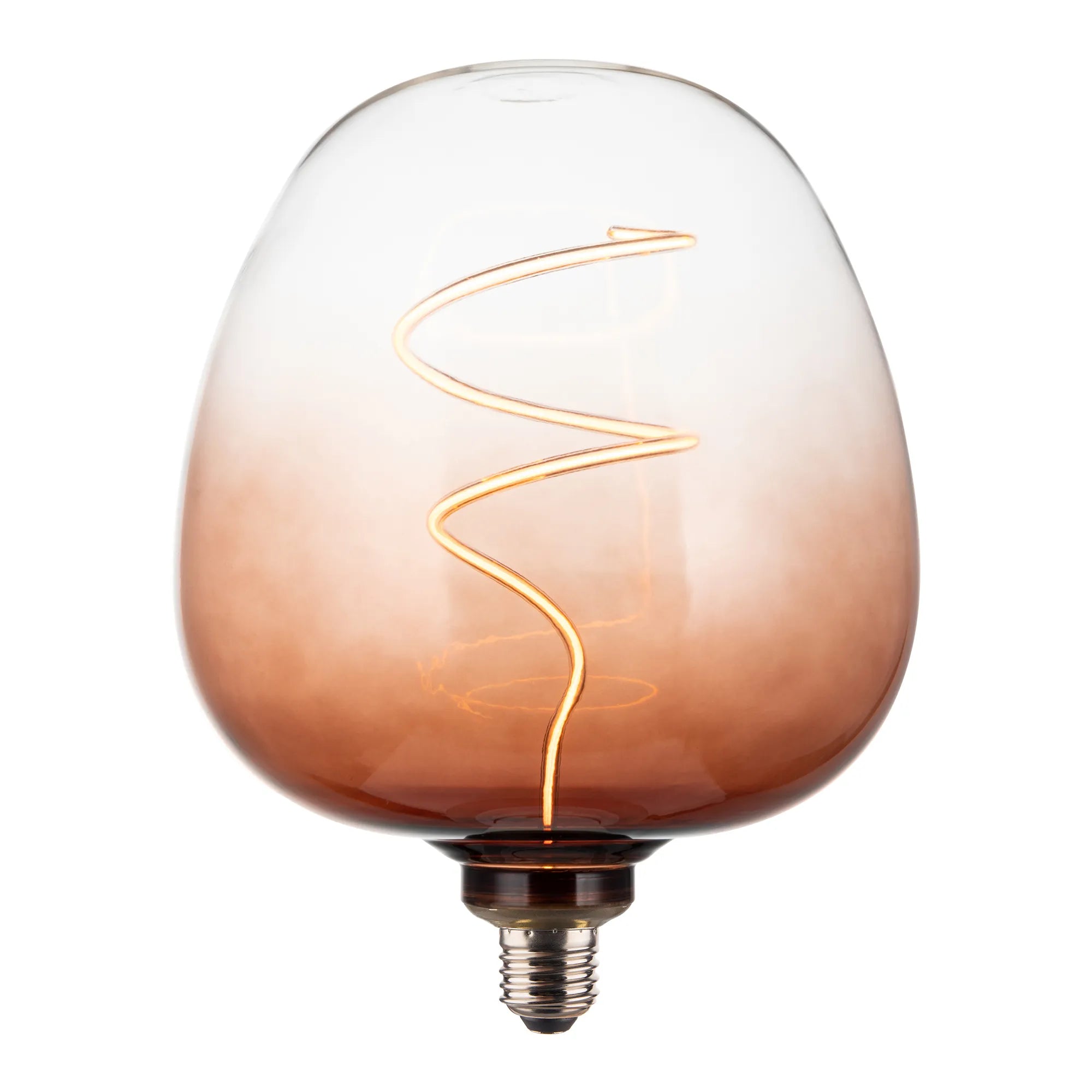
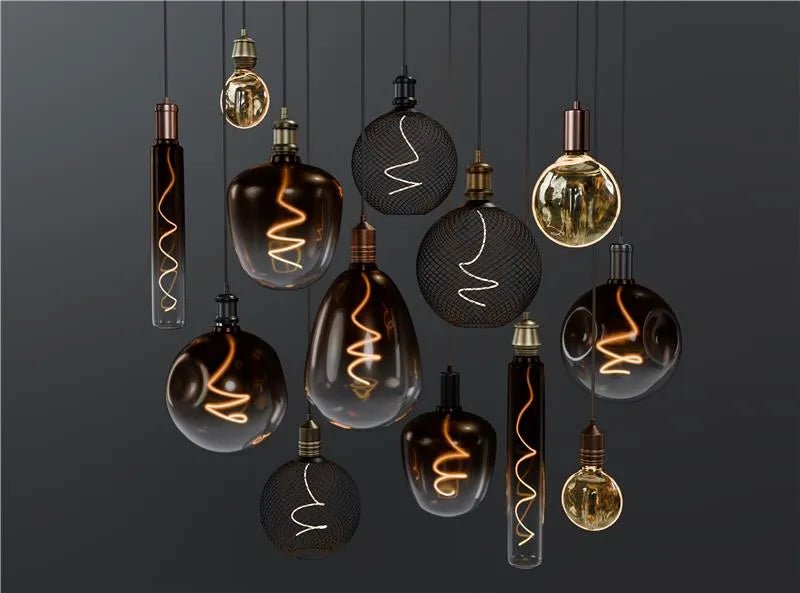
- Decorative bulbs
- Specialty lamps
- Appliance bulbs
- Tubular lamps
- Reflector bulbs
- Globe bulbs
- Candelabra bulbs
Product availability may vary by size, base, wattage, voltage, color temperature, and manufacturer.
LED Light Bulbs
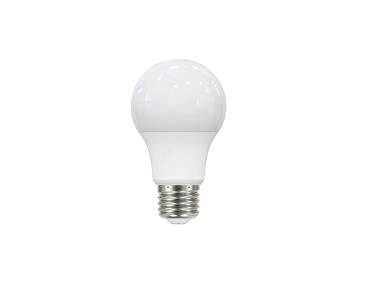
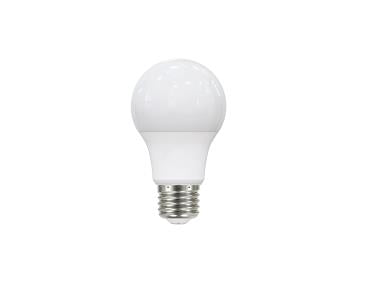
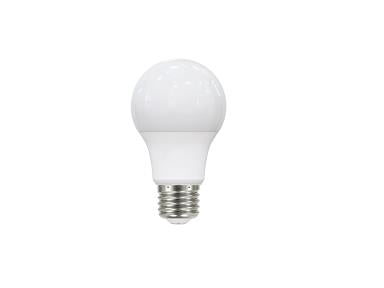
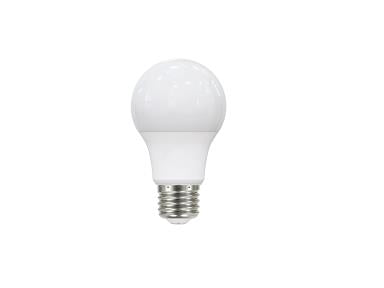
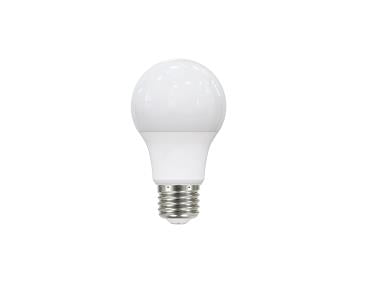
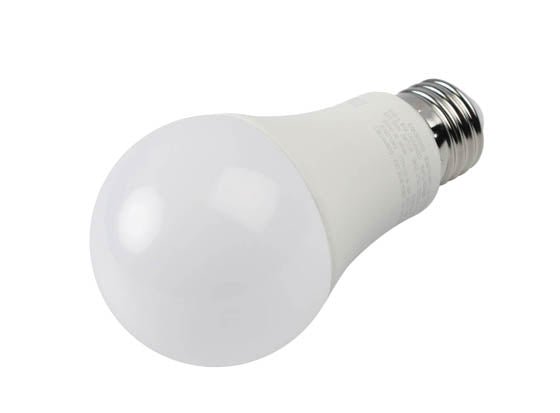
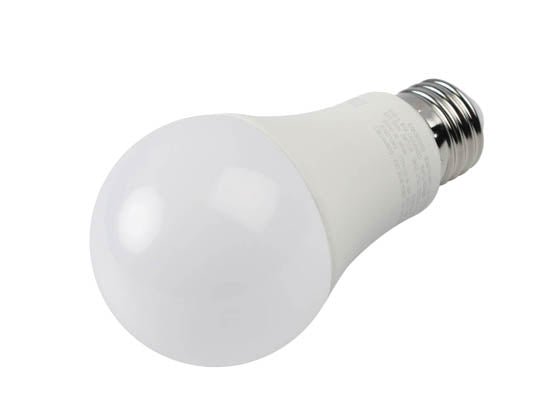
LED bulbs are a popular choice for replacing older incandescent, halogen, and fluorescent lamps. They typically use less energy, produce less heat, and last longer than many traditional lighting technologies.
LED bulbs are available for a wide range of applications, including:
- Homes
- Offices
- Retail stores
- Hotels
- Restaurants
- Warehouses
- Schools
- Apartment buildings
- Healthcare facilities
- Outdoor fixtures
- Commercial properties
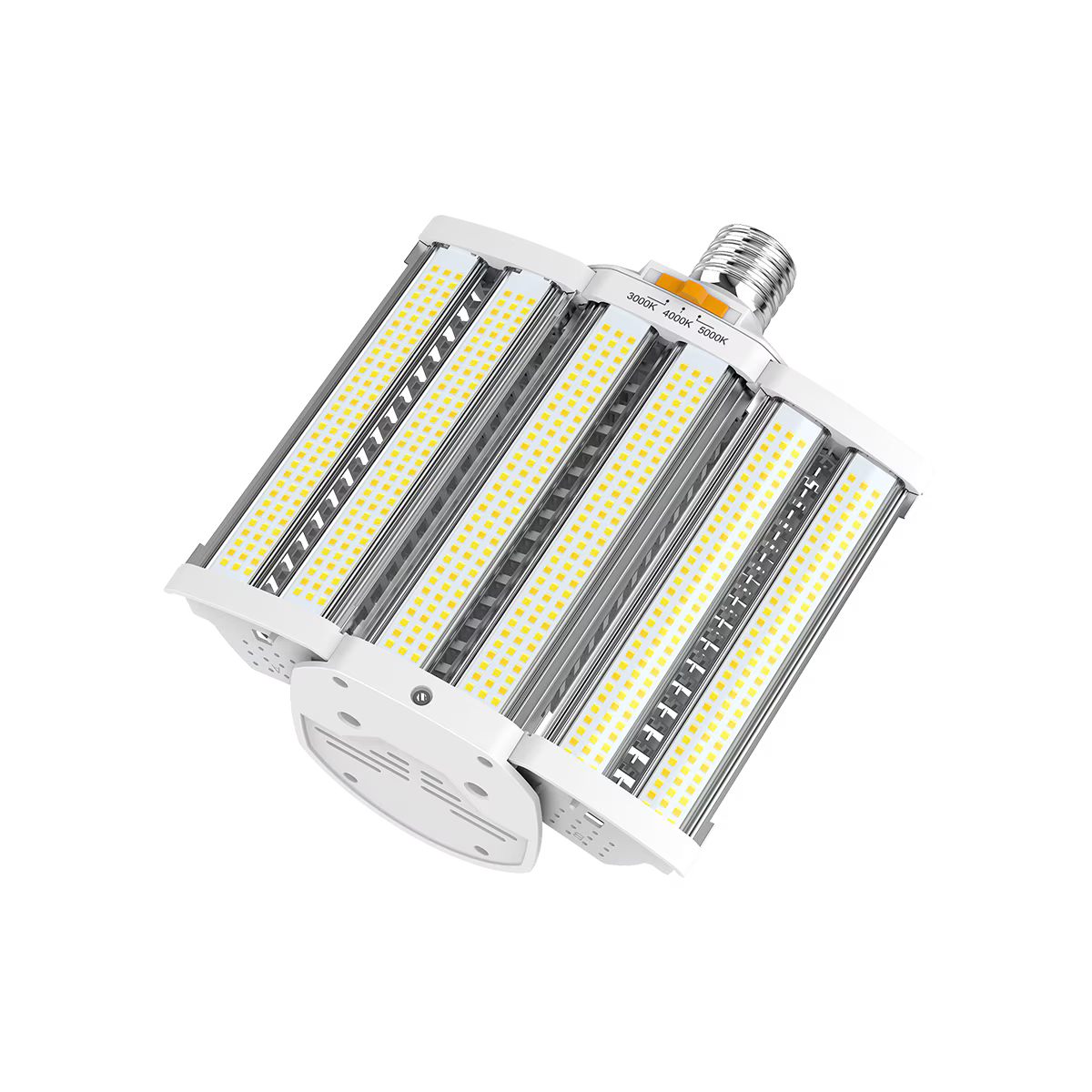
Available options may include dimmable bulbs, enclosed-fixture-rated bulbs, wet-location-rated lamps, high-lumen bulbs, decorative shapes, and selectable-color-temperature products.
Fluorescent Lamps
Fluorescent lamps are commonly used in offices, schools, retail spaces, warehouses, utility rooms, and commercial facilities.
When replacing a fluorescent lamp, confirm:
- Lamp length
- Diameter
- Base type
- Wattage
- Color temperature
- Ballast compatibility
- Instant-start or programmed-start requirements
Fluorescent tubes may be identified by sizes such as T5, T8, or T12. The letter refers to the tubular shape, while the number relates to the lamp diameter.
Halogen Bulbs
Halogen bulbs produce bright, crisp light and are often used in accent lighting, track lighting, display lighting, task lighting, landscape fixtures, and specialty applications.
When selecting a halogen replacement, check the bulb shape, base, voltage, wattage, beam spread, and fixture compatibility. Many applications can also be upgraded to compatible LED alternatives for improved energy efficiency.
HID Lamps
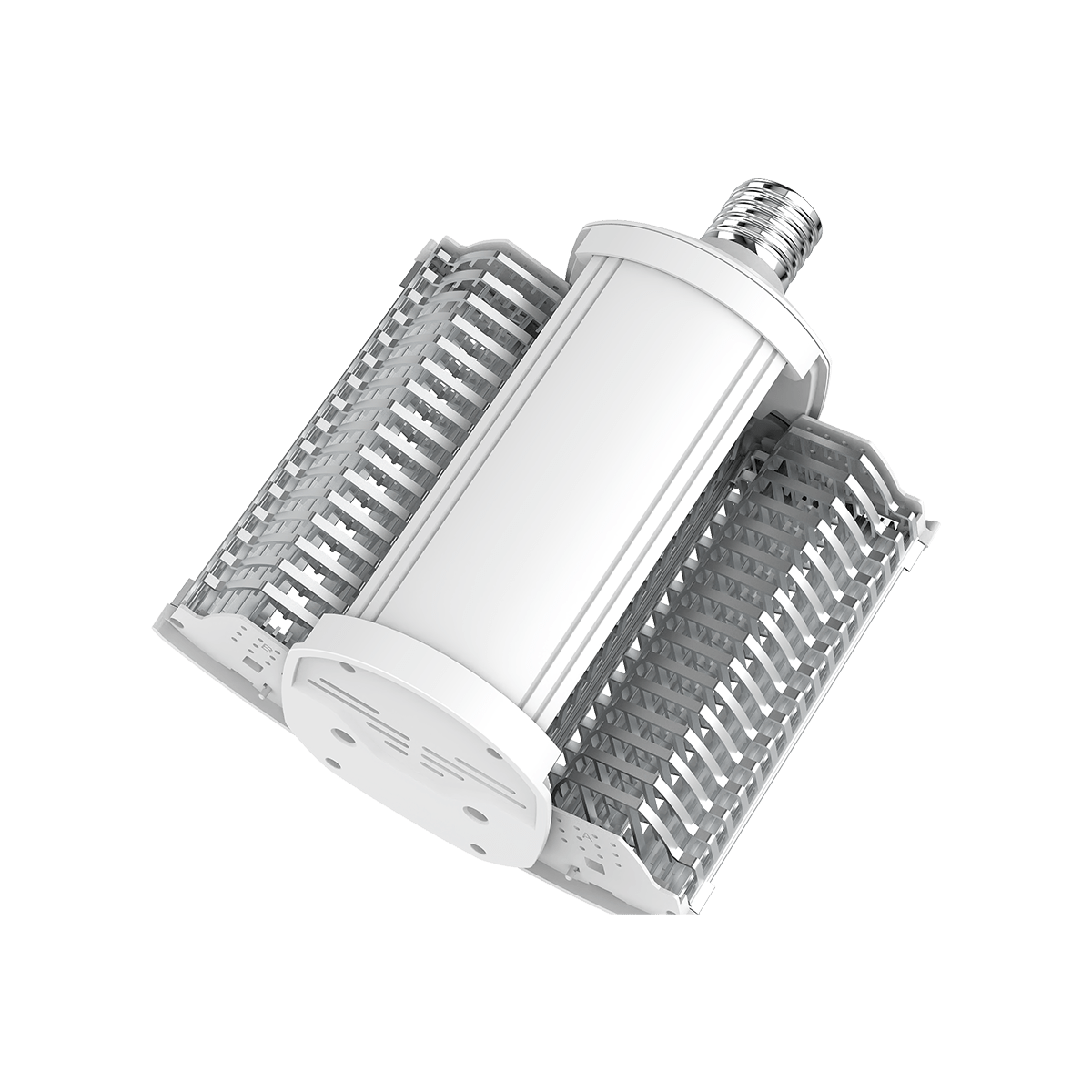
High-intensity discharge lamps are used in many commercial, industrial, warehouse, parking, roadway, security, and outdoor-lighting applications.
Common HID lamp types include:
- Metal halide
- High-pressure sodium
- Mercury vapor
- Pulse-start metal halide
HID replacement lamps must be matched carefully to the existing ballast, socket, wattage, voltage, fixture, and operating position. Incompatible components can affect performance, lamp life, and safety.
Decorative and Specialty Bulbs
Decorative and specialty bulbs are used where appearance, shape, size, or a specific lighting function is important.
These products may include:
- Chandelier bulbs
- Globe bulbs
- Edison-style bulbs
- Candelabra-base bulbs
- Appliance lamps
- Sign bulbs
- Blacklight lamps
- Heat lamps
- Colored bulbs
- Rough-service bulbs
- Tubular bulbs
- Indicator lamps
Review the product dimensions and base type carefully, especially when replacing bulbs in compact fixtures or decorative applications.
Choose the Correct Bulb Base
The bulb base connects the lamp to the socket. Selecting the correct base is essential for compatibility.
Common base types include:
- Medium screw base
- Mogul screw base
- Candelabra screw base
- Intermediate screw base
- Bi-pin base
- GU10 base
- GU24 base
- Single-pin base
- Double-contact bayonet base
Do not rely on bulb shape alone. Confirm the exact base designation before ordering.
Understanding Bulb Shapes
Bulb shape affects fixture fit, light distribution, and appearance.
Common bulb shapes include:
- A-shape bulbs for general lighting
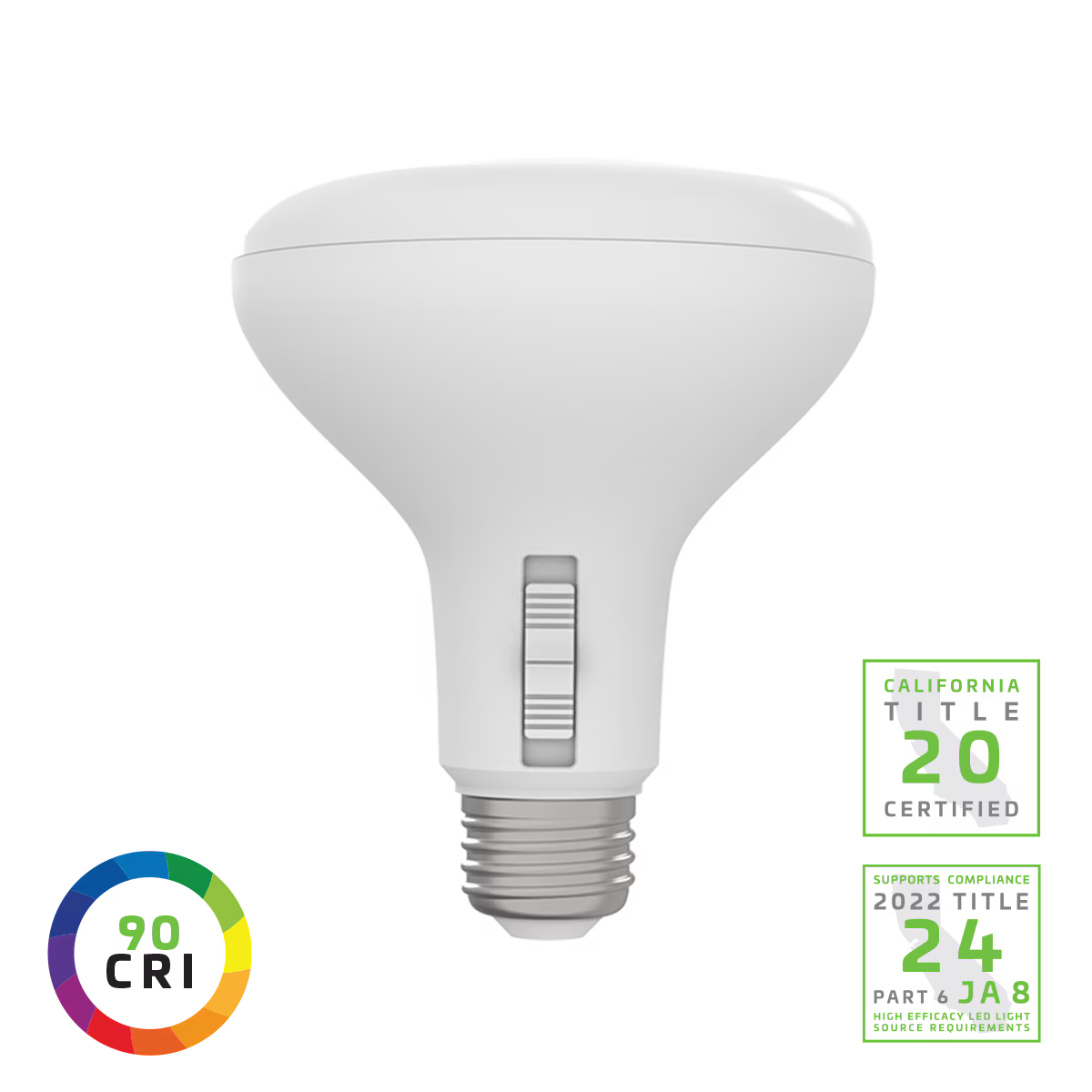
- BR and R bulbs for recessed and reflector fixtures
- PAR bulbs for directional lighting
- MR bulbs for accent and track lighting
- G bulbs for decorative globe fixtures
- B and C bulbs for chandeliers and sconces
- T bulbs for tubular applications
- ED and BT lamps for HID fixtures
The number following the shape designation usually refers to the bulb diameter.
Lumens, Watts, and Brightness
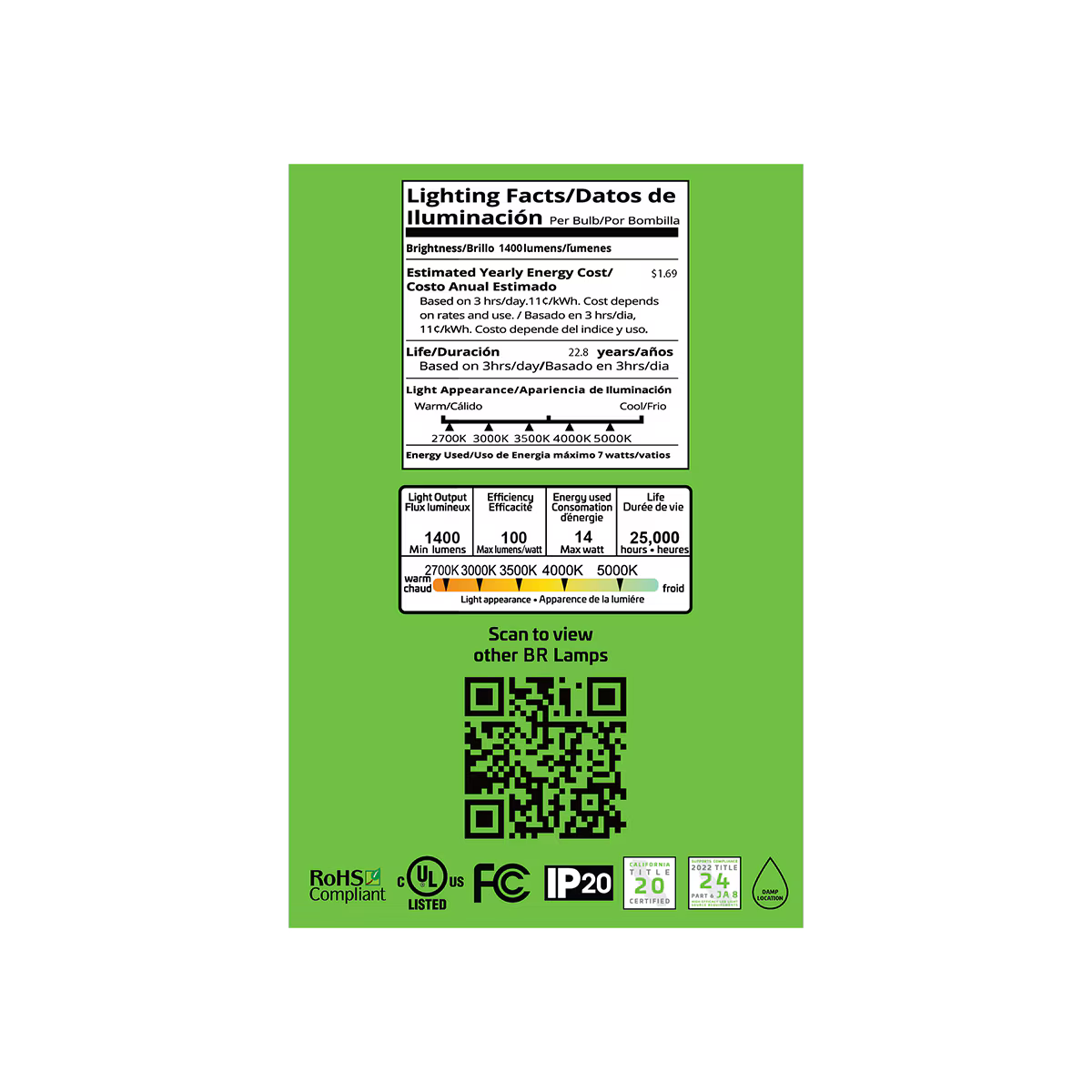
Watts measure energy consumption, while lumens measure light output.
When replacing an older bulb with an LED product, compare lumen output rather than wattage alone. A lower-wattage LED bulb may provide the same brightness as a much higher-wattage incandescent or halogen bulb.
For larger rooms, high ceilings, warehouses, or outdoor applications, higher lumen output may be required.
Choose the Right Color Temperature
Color temperature describes the appearance of the light and is measured in Kelvin.
Common options include:
- 2700K for warm, traditional light
- 3000K for warm white light
- 3500K for neutral white light
- 4000K for cool, clean commercial light
- 5000K for daylight-style illumination
Warm light is often preferred in homes, restaurants, hotels, and decorative settings. Cooler color temperatures are common in offices, warehouses, schools, garages, and task-oriented environments.
Dimmable Light Bulbs
Not every light bulb is dimmable. Before installing a bulb on a dimming circuit, verify that both the lamp and dimmer are compatible.
An incompatible combination may cause:
- Flickering
- Buzzing
- Limited dimming range
- Delayed startup
- Premature lamp failure
- Inconsistent performance
For LED products, use a dimmer designed and tested for LED lighting whenever possible.
Indoor and Outdoor Bulbs
Bulbs used outdoors or in moisture-prone environments should carry the appropriate damp-location or wet-location rating.
Outdoor applications may include:
- Wall fixtures
- Security lights
- Landscape fixtures
- Parking areas
- Canopy lighting
- Building entrances
- Covered walkways
- Sign lighting
Also confirm that the bulb is suitable for enclosed fixtures if it will operate inside a sealed housing.
Lamps and Bulbs for Commercial Projects
Commercial buyers often need consistent products across many fixtures or locations. Before ordering in quantity, confirm:
- Manufacturer and model number
- Bulb shape
- Base type
- Wattage
- Voltage
- Lumen output
- Color temperature
- Color-rendering index
- Beam angle
- Dimming compatibility
- Fixture rating
- Case quantity
- Required certifications
Matching these specifications helps maintain consistent color, brightness, and performance throughout a property.
Energy-Efficient Lighting Upgrades
Replacing older lamps with efficient LED alternatives can help reduce energy use, maintenance, and replacement frequency.
Before completing a retrofit, verify whether the LED replacement is:
- Ballast compatible
- Ballast bypass
- Direct wire
- Suitable for enclosed fixtures
- Rated for the intended operating position
- Compatible with existing controls
- Approved for the application
Some retrofits may require wiring changes or ballast removal and should be completed by a qualified electrician.
How to Choose the Right Lamp or Bulb
Before purchasing, review the existing bulb and fixture specifications.
Check:
- Bulb shape
- Base type
- Wattage
- Voltage
- Lumens
- Color temperature
- Beam angle
- Overall dimensions
- Dimming requirements
- Ballast compatibility
- Indoor or outdoor rating
- Enclosed-fixture rating
- Operating position
- Manufacturer model number
When possible, use the full model number from the existing lamp to locate a compatible replacement.
Frequently Asked Questions
What is the difference between a lamp and a bulb?
In the lighting industry, “lamp” is the technical term for the replaceable light source. “Bulb” is the more common consumer term. Both are often used to describe the same product.
How do I find the correct replacement bulb?
Check the model number, shape, base, wattage, voltage, lumen output, and color temperature printed on the existing lamp. Also review the fixture label for maximum wattage and compatibility requirements.
Can I replace an incandescent bulb with an LED bulb?
In many cases, yes. Choose an LED bulb with a compatible base, similar shape, suitable dimensions, and comparable lumen output. Confirm that it is rated for the fixture and dimming system.
What does watt equivalent mean?
Watt equivalent compares an LED bulb’s light output with the approximate output of a traditional incandescent bulb. Actual brightness should be compared using lumens.
Which light color is best?
The best color temperature depends on the application. Warm white is common in residential and hospitality spaces, while neutral or cool white is often preferred in offices, retail spaces, schools, and commercial facilities.
Can LED bulbs be used in enclosed fixtures?
Only use an LED bulb in an enclosed fixture when the product is specifically rated for enclosed use. Heat buildup can shorten the life of an unsuitable bulb.
Are all bulbs dimmable?
No. The bulb packaging or specifications must state that the product is dimmable. The dimmer must also be compatible with the bulb type.
What is CRI?
The color-rendering index measures how accurately a light source displays colors. A higher CRI is useful in retail, hospitality, residential, healthcare, art, and other color-sensitive applications.
What is the difference between lumens and watts?
Lumens measure brightness. Watts measure energy consumption. Use lumens when comparing the brightness of different lighting technologies.
Should I replace fluorescent lamps with LED tubes?
LED tubes can reduce energy and maintenance, but compatibility varies. Some work with existing ballasts, while others require ballast removal and direct wiring. Review the product specifications before installation.
Can I order lamps and bulbs in bulk?
Many products are available by the case or in larger quantities. Confirm the exact model, quantity, color temperature, and availability before placing a bulk order.